Preserving Kalmyk Culture and Heritage
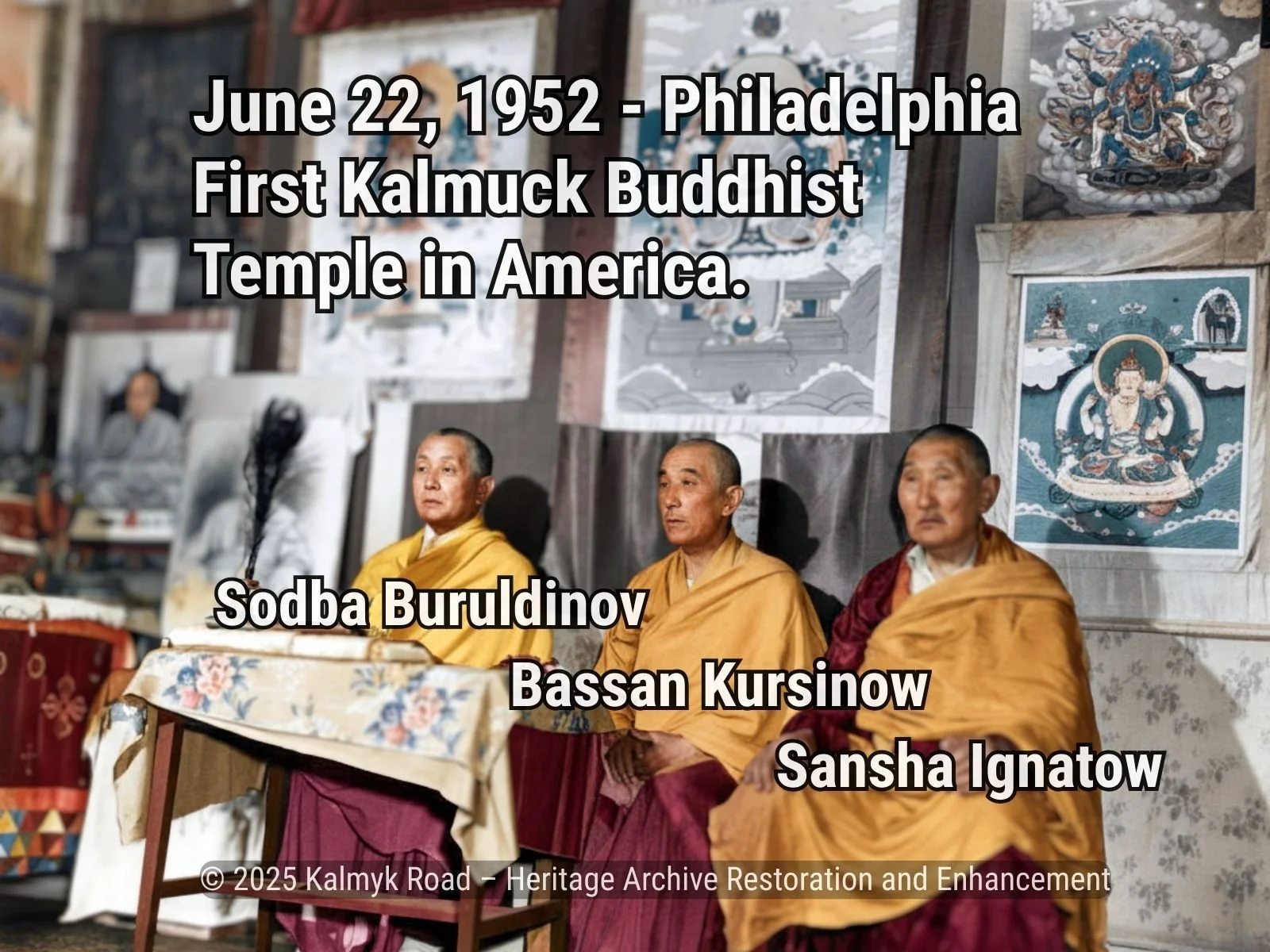
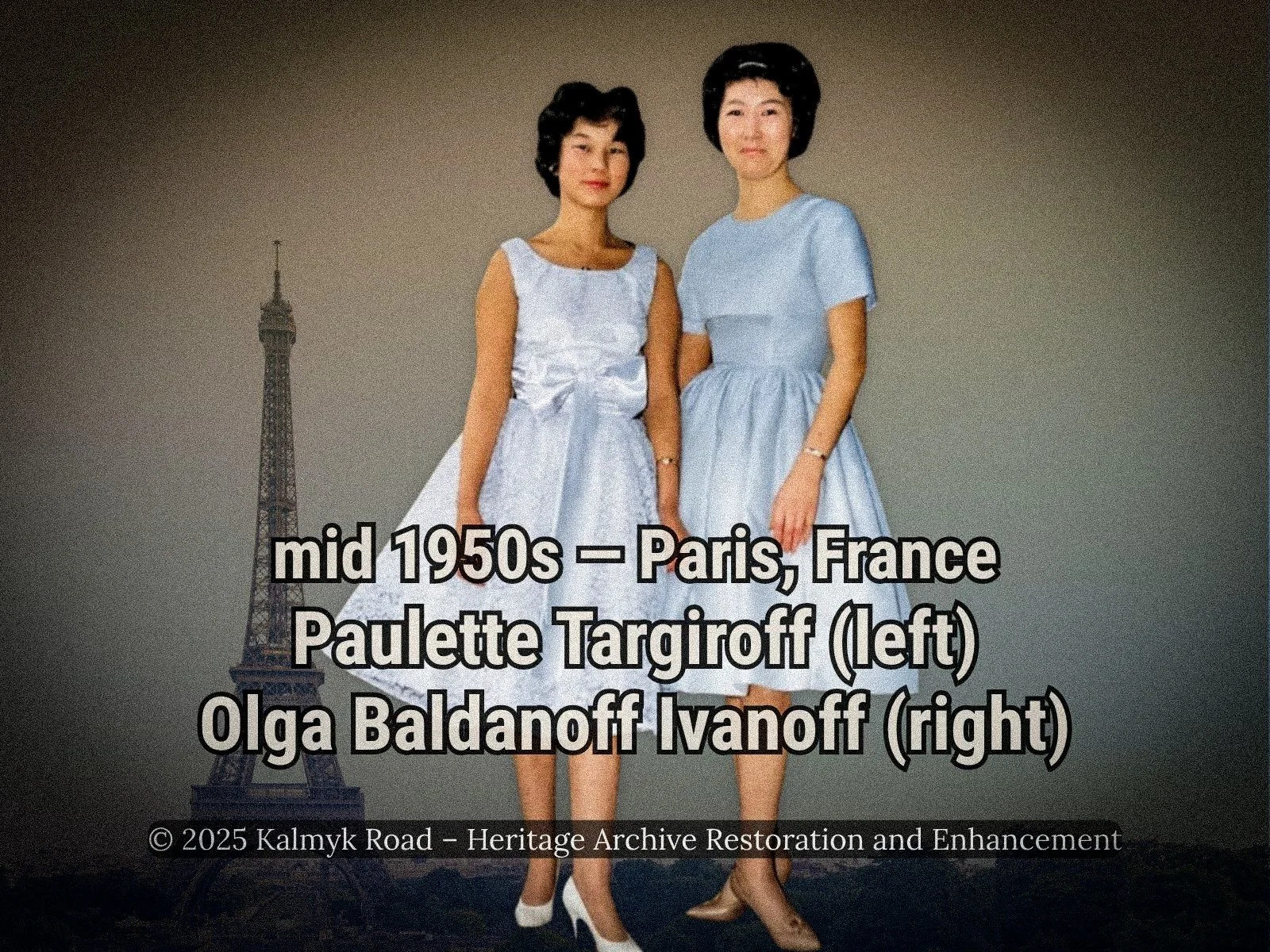
The Kalmyk people — the only native European Buddhists — have called America home for over 70 years. Their language, traditions, and stories are at risk of disappearing. We exist to make sure they don't.
-
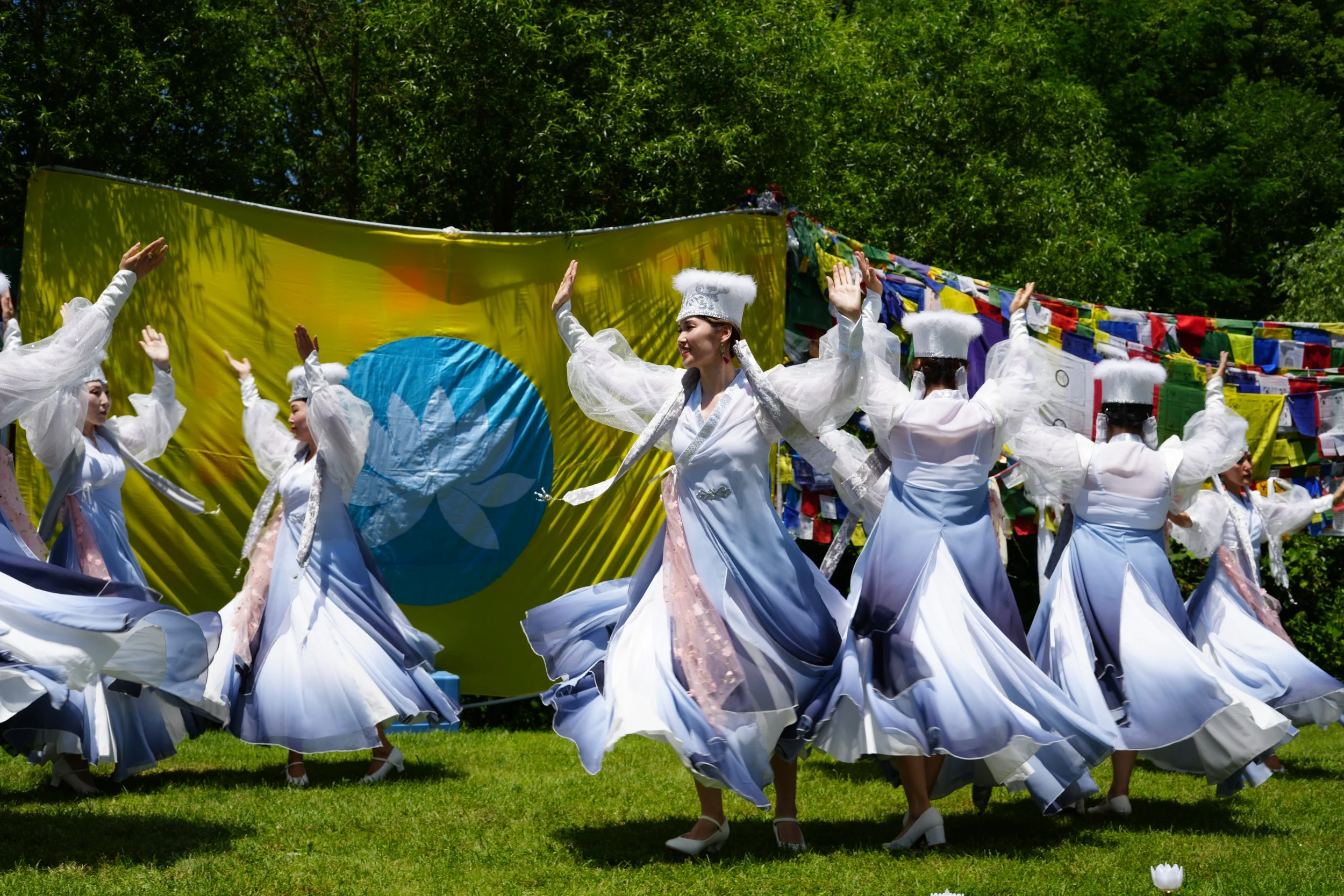
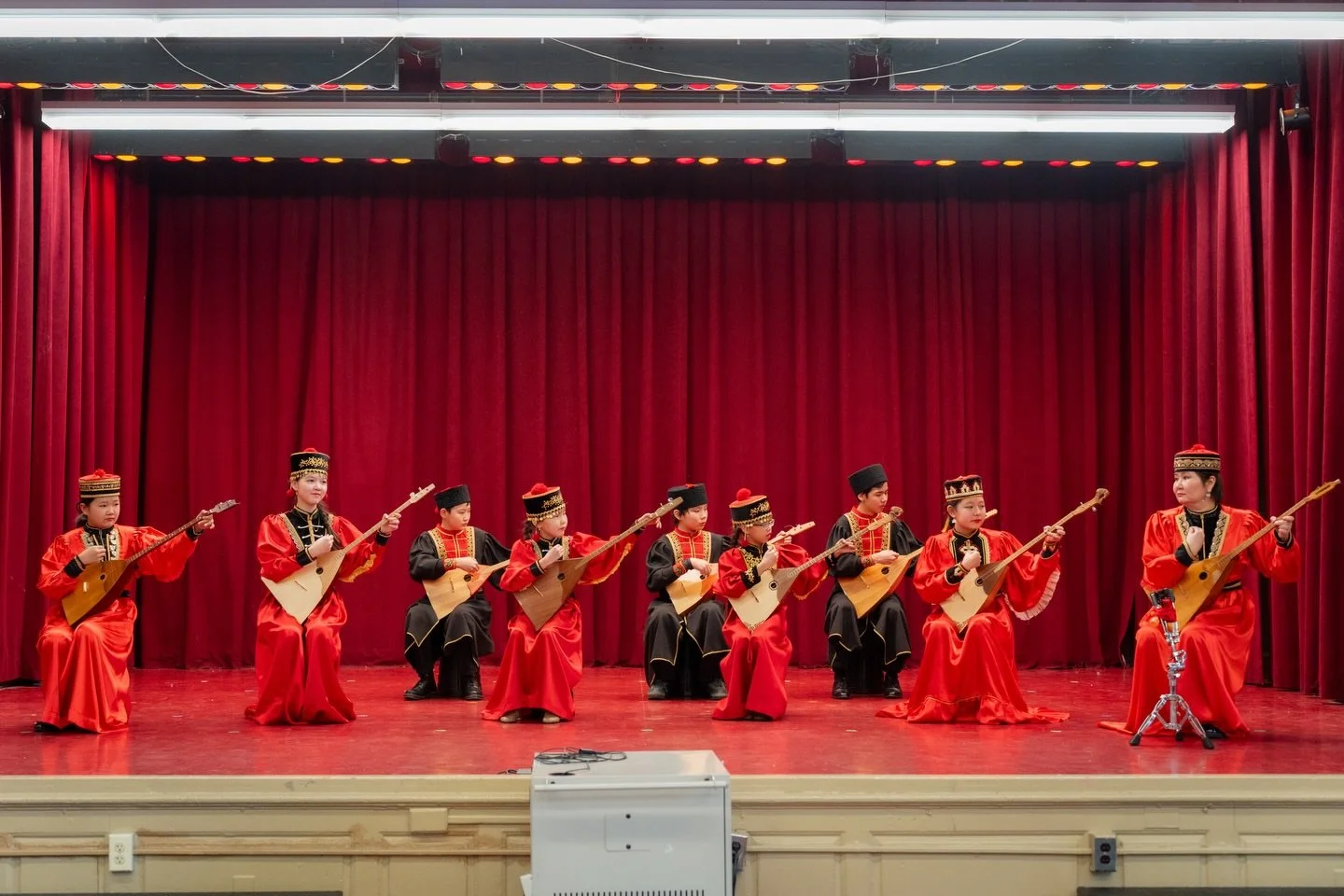
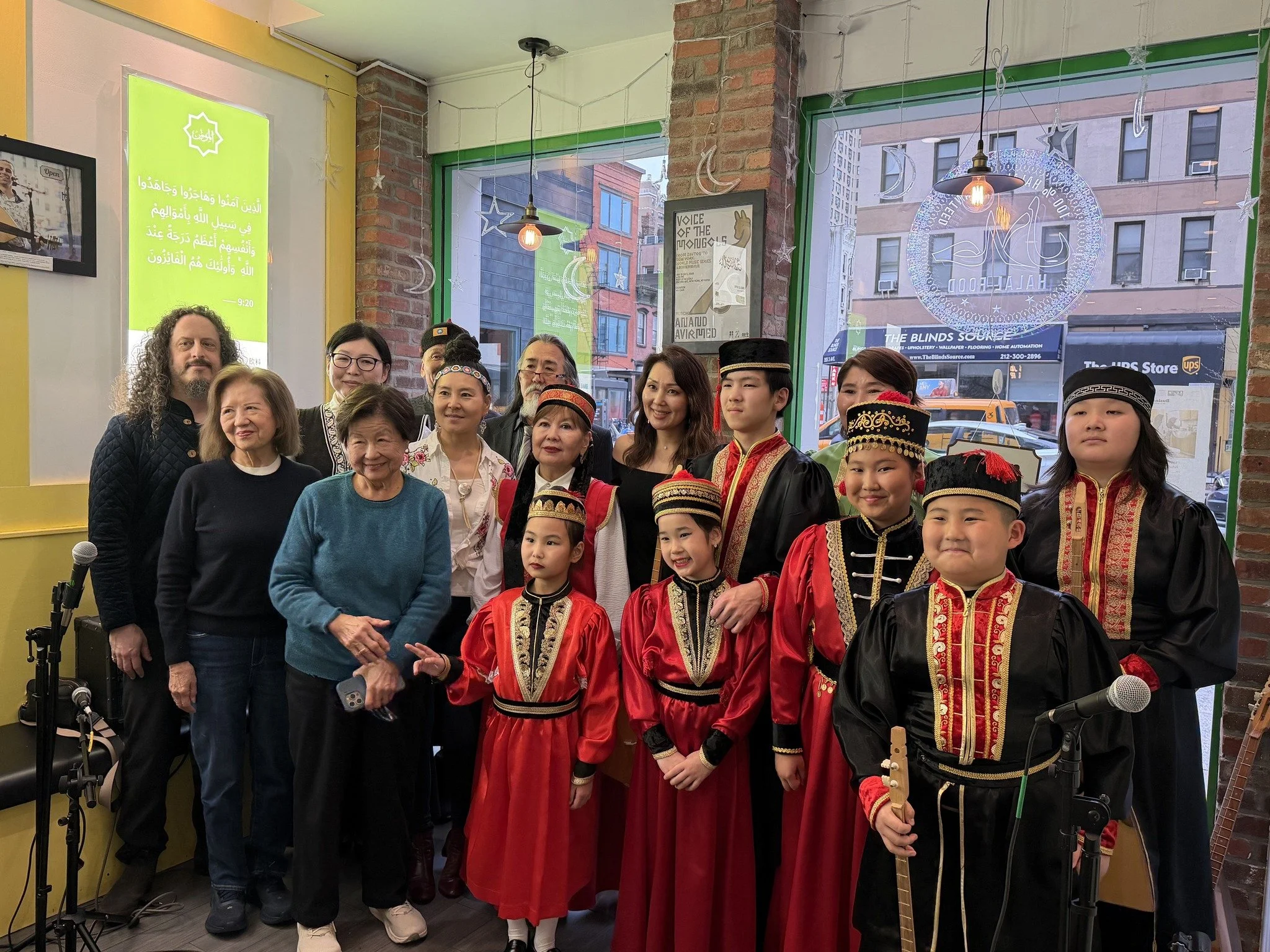
The Kalmyk Heritage Center is a dedicated nonprofit cultural community organization committed to the vital mission of minority heritage preservation. As a registered 501(c)(3) publicly supported charity, we serve as a central hub for the Kalmyk-American diaspora, a unique community of Western Mongol descent and the only indigenous Buddhist population in Europe. Our team is comprised of passionate educators, researchers, and activists who are deeply invested in the preservation of Oirat Mongolian culture. We act as a bridge between the storied traditions of the past and the dynamic needs of our modern community, ensuring that the Kalmyk language and our ancestors' nomadic legacy remain a vibrant, living part of American cultural diversity.
-
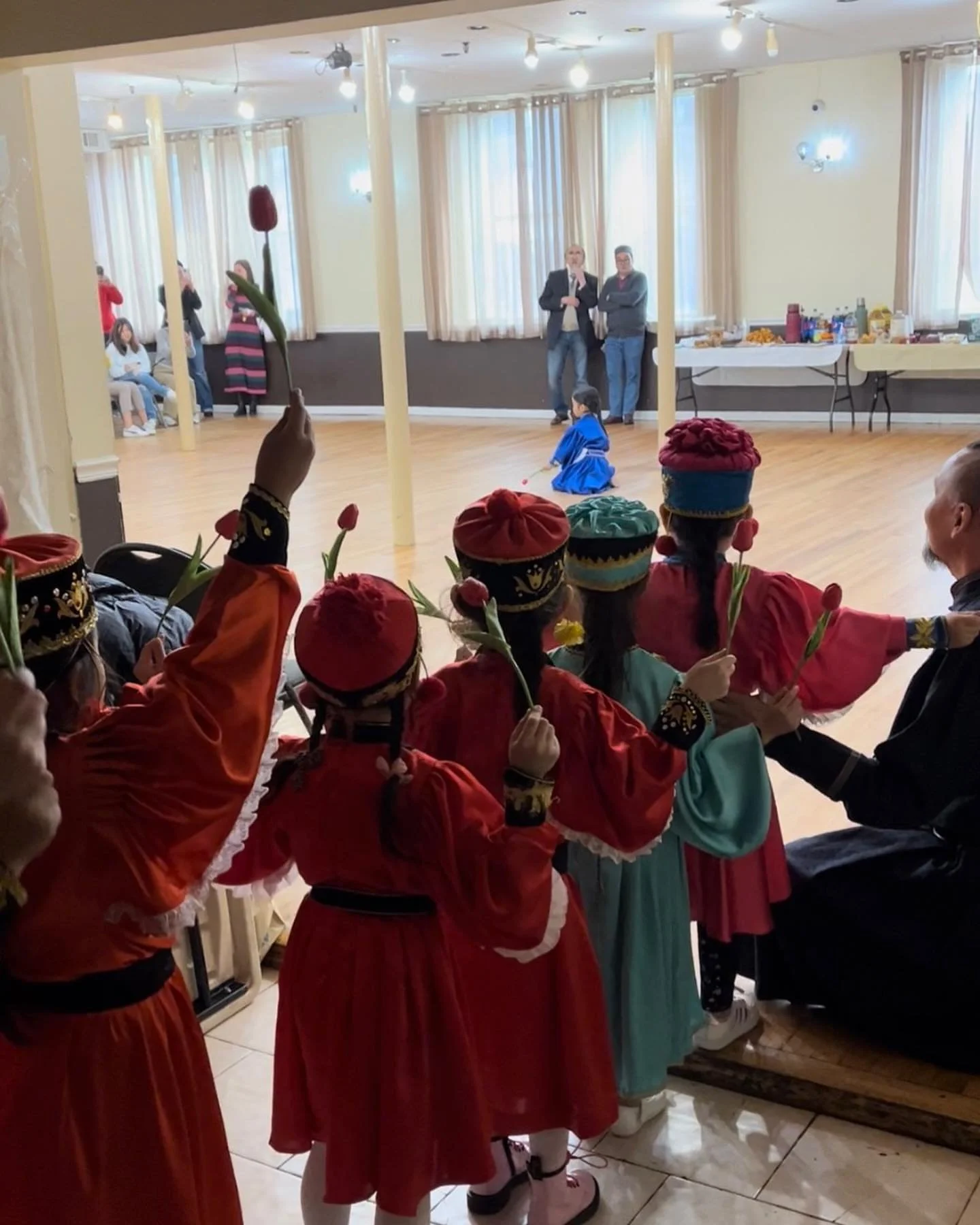
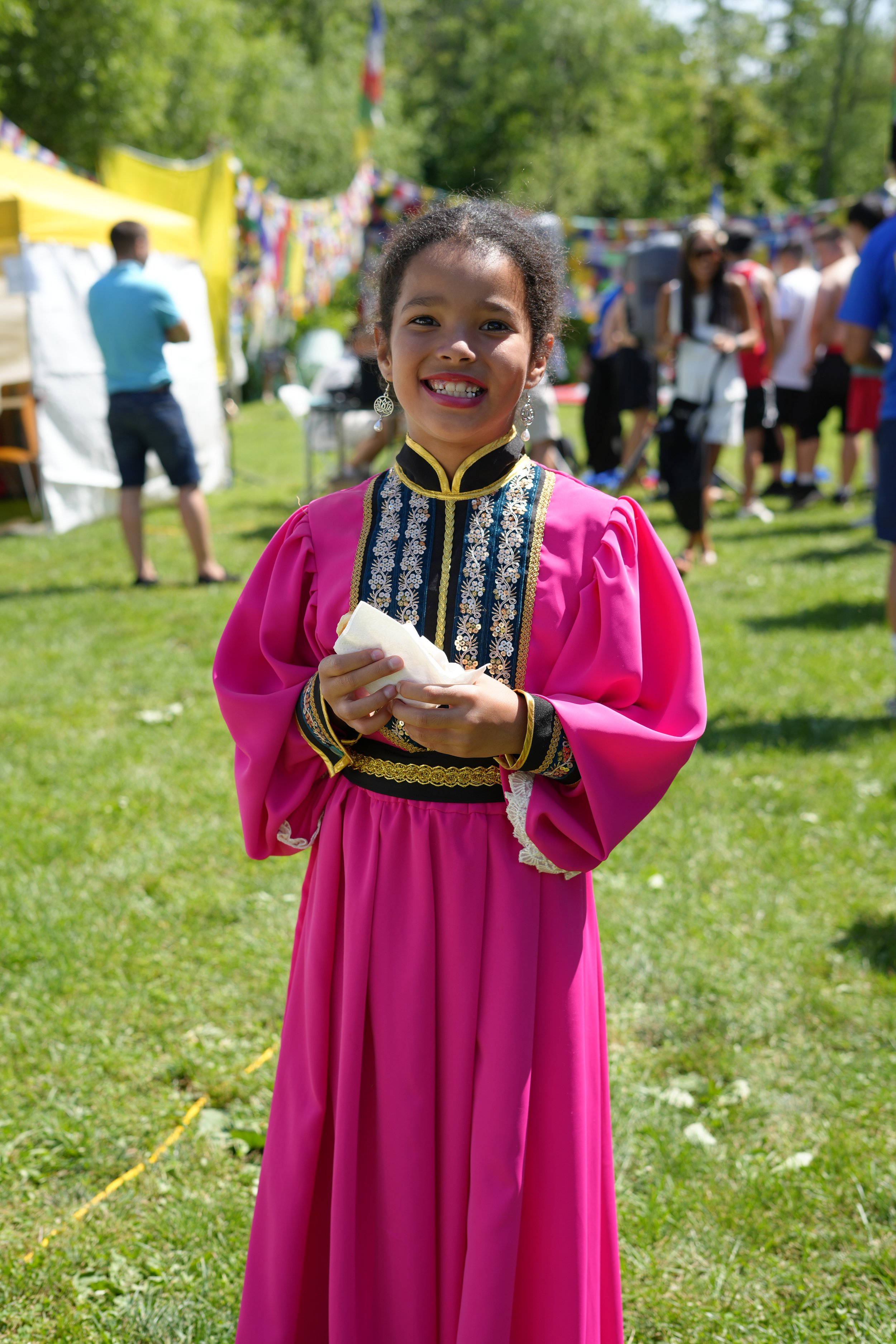
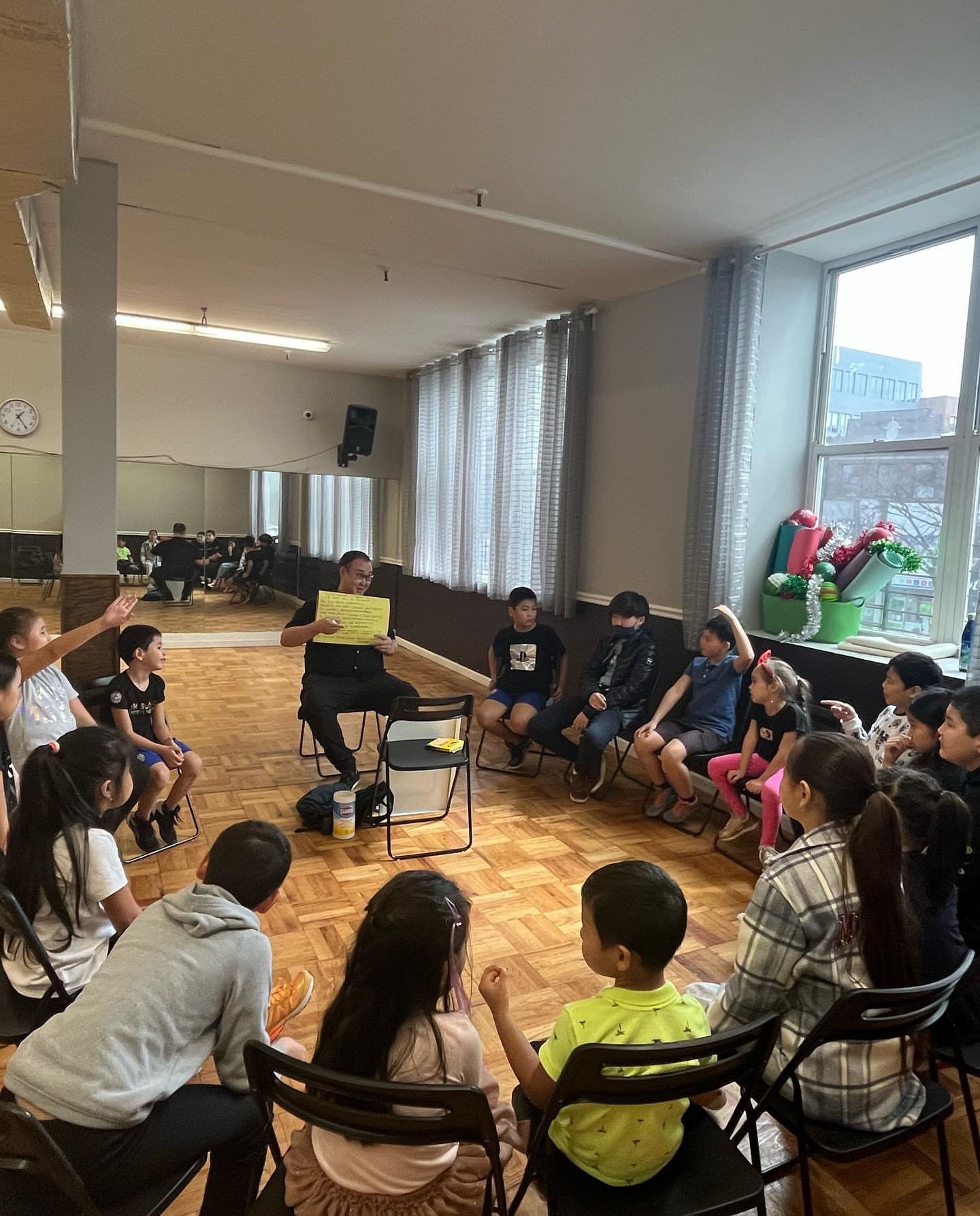
Our approach to community development and cultural advocacy is rooted in the belief that heritage is a powerful tool for empowerment. We offer robust cultural education and heritage programs that foster intergenerational connection and spiritual growth. By operating as a publicly supported organization under IRC Section 170(b)(1)(A)(vi), we ensure that our impact is measurable and community-focused. Whether through youth workshops or local volunteer initiatives, our goal is to revitalize the Kalmyk identity and provide a platform for cultural expression that resonates both within the diaspora and the broader public.
-
Collaboration is at the heart of our mission. We partner with a diverse network of stakeholders, ranging from local community leaders and volunteers to international academic institutions and fellow nonprofit organizations. We work closely with experts in Tibetan and Mongolian studies to ensure the historical accuracy of our programs, and we engage with global heritage foundations to advocate for indigenous language preservation. Our partnerships extend to local government entities and cultural councils, helping us secure the public support necessary to sustain our ambitious projects. We also welcome corporate sponsors and individual benefactors who share our commitment to social impact and heritage promotion. By aligning with organizations that value diversity, education, and cultural integrity, we create a unified front in the effort to protect and celebrate the unique legacy of the Kalmyk and Oirat people worldwide.
Important Message
〰️
Important Message 〰️
The Kalmyk Heritage Center proposes an alternative vision for a Kalmyk Community Center in Brooklyn. Rather than immediately purchasing a small $1.15 million property and relying on contributions from Kalmyk families, the Center suggests exploring larger and more affordable spaces that could be renovated and adapted for community needs.
The proposed center would include a preschool, after-school program, educational classes, cultural activities, and community events, supported through grants, government programs, donations, and other funding sources. The goal is to create a sustainable, multifunctional space serving the entire Kalmyk diaspora in the United States.
The Kalmyk Heritage Center calls for an open discussion involving Kalmyk communities from across the country and specialists in real estate, education, finance, law, and nonprofit management before a final decision is made.
Уважаемые калмыки, проживающие в США! Вчера во время ужина Ринпоче с калмыцким сообществом в Квинсе, в Kalmyk Heritage Center, был передан проект реализации альтернативной концепции Kalmyk Community Center в Бруклине. Мы считаем, что вопрос создания полноценного Калмыцкого общественного центра настолько важен для всей нашей диаспоры, что его необходимо обсуждать открыто, сообща и с участием калмыков, живущих в разных городах США.
Follow us on Social · Follow Us On Social · Follow us on Social ·
Follow us on Social · Follow Us On Social · Follow us on Social ·
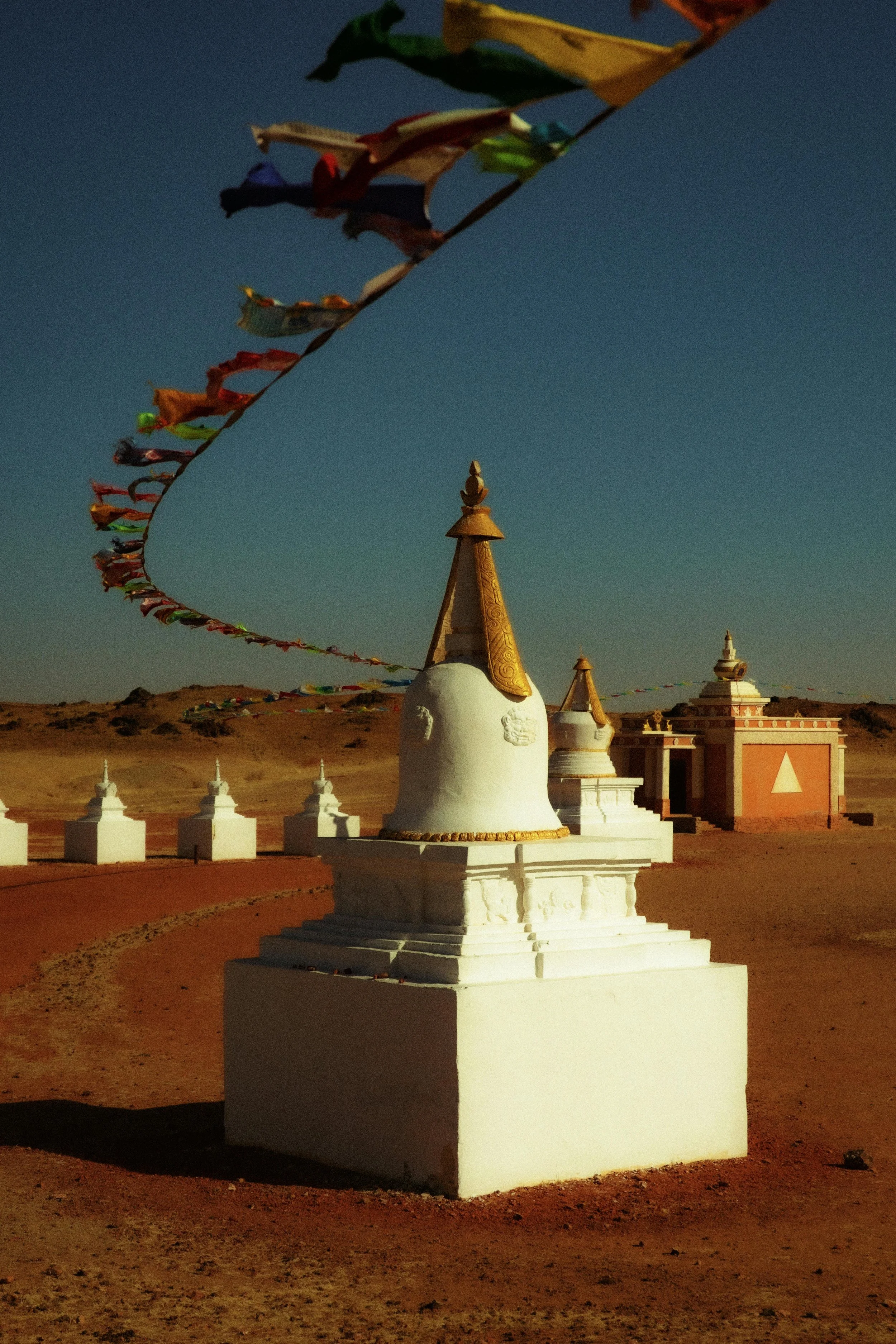
Who Are Kalmyks And Where Do We Come From?
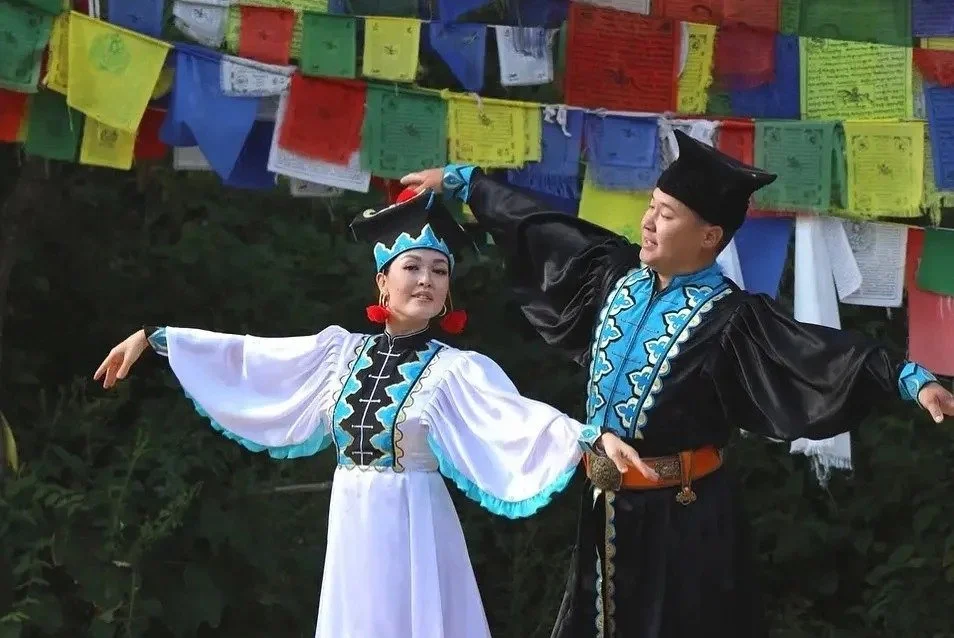
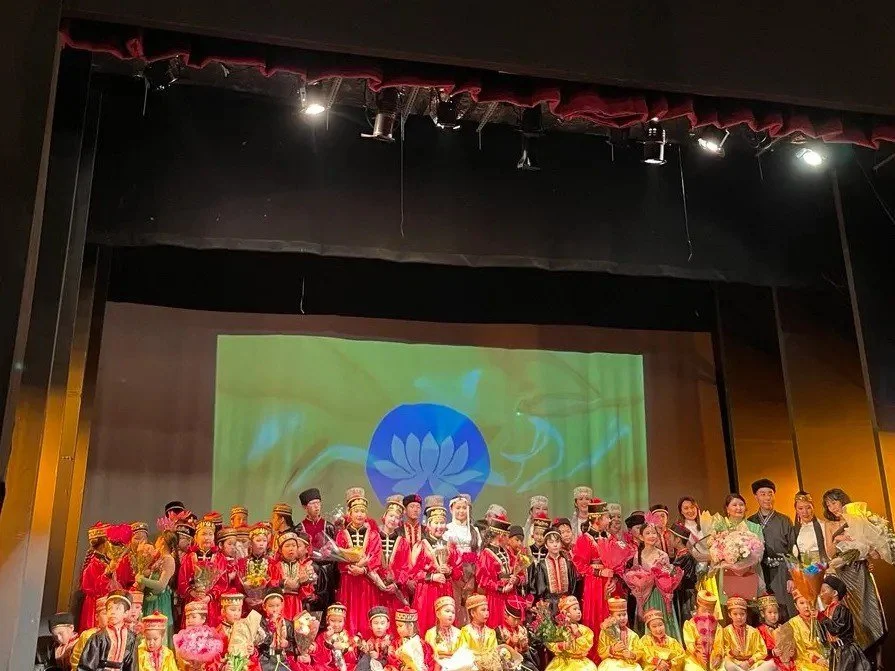
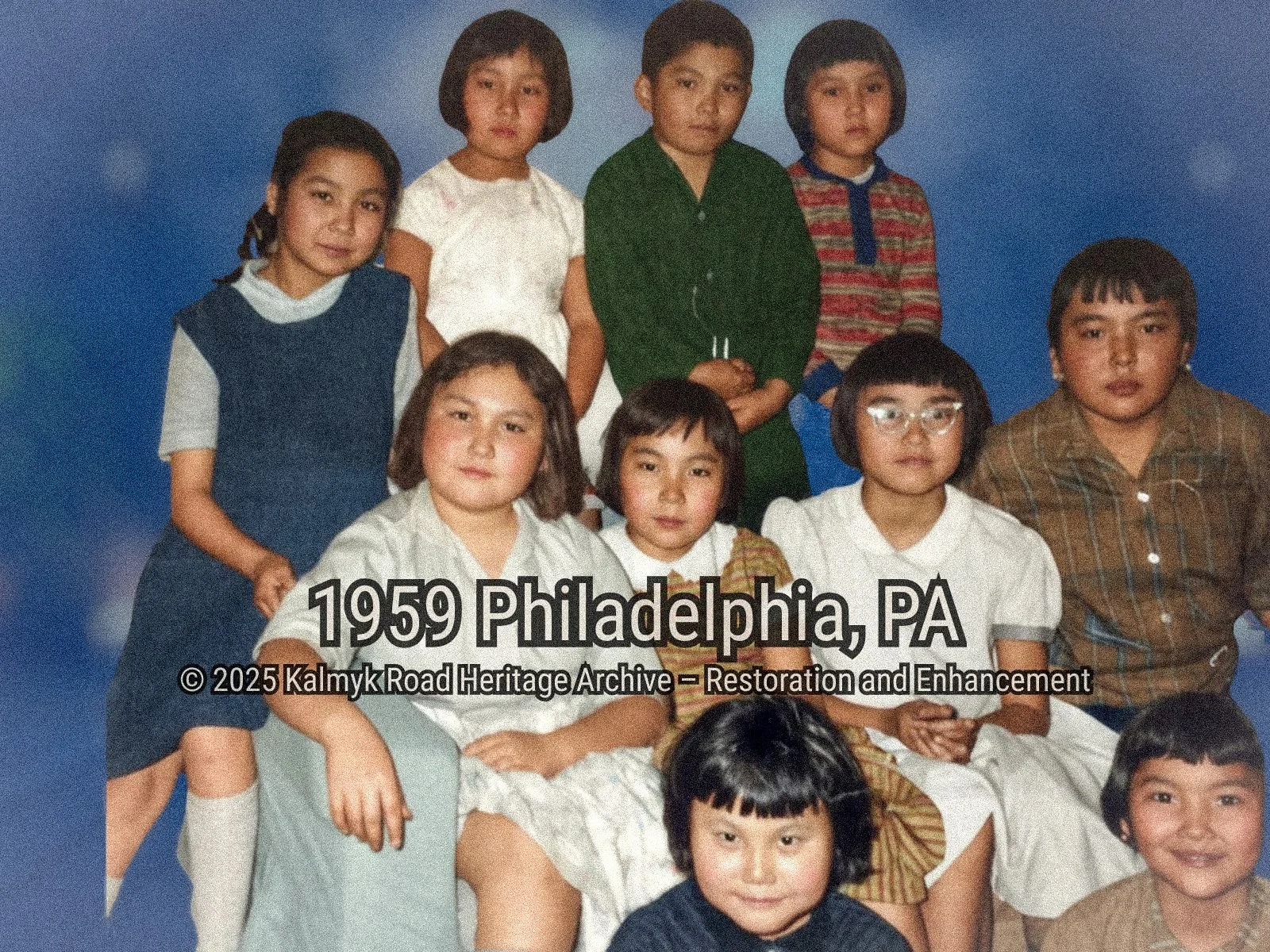
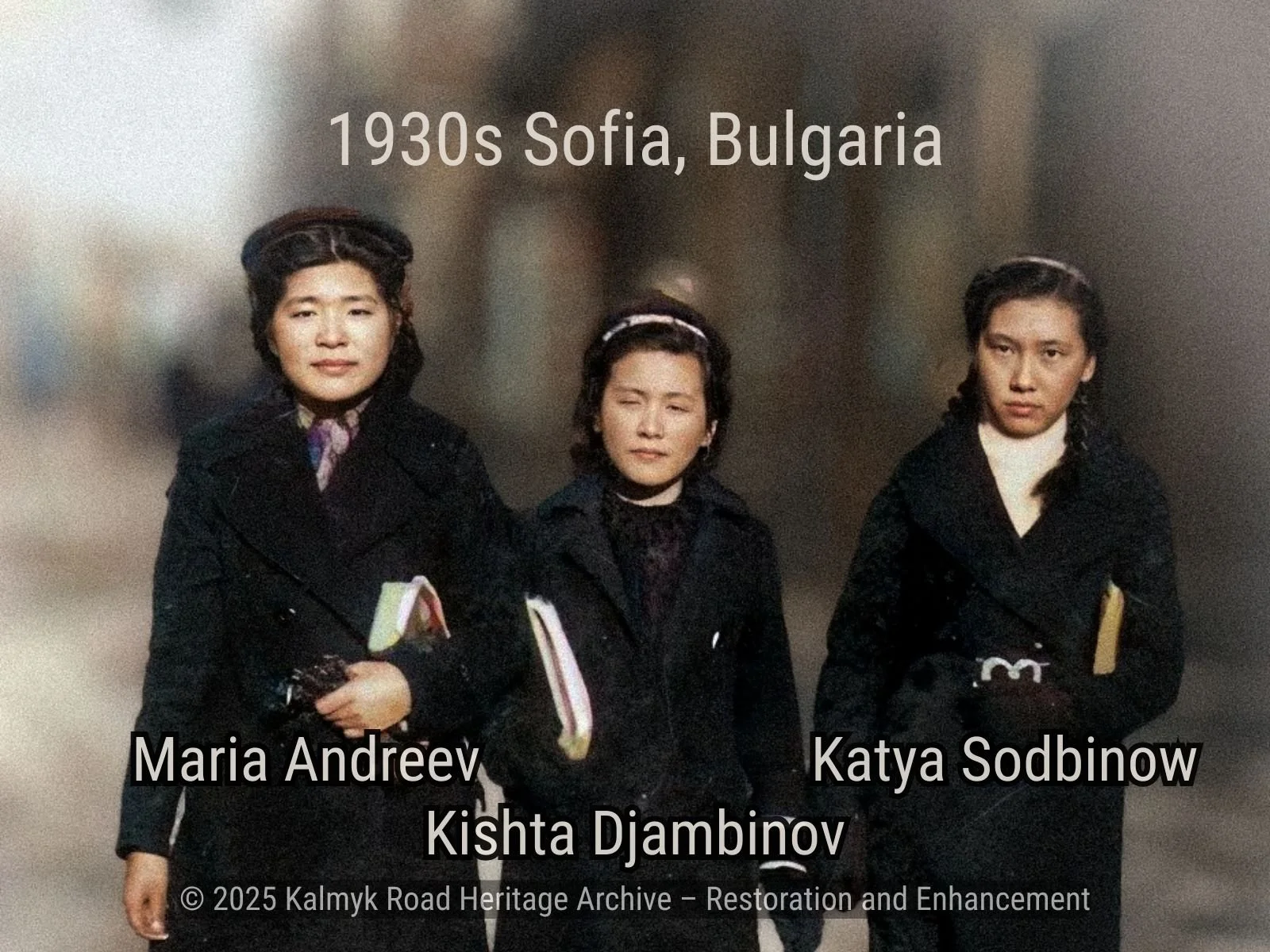
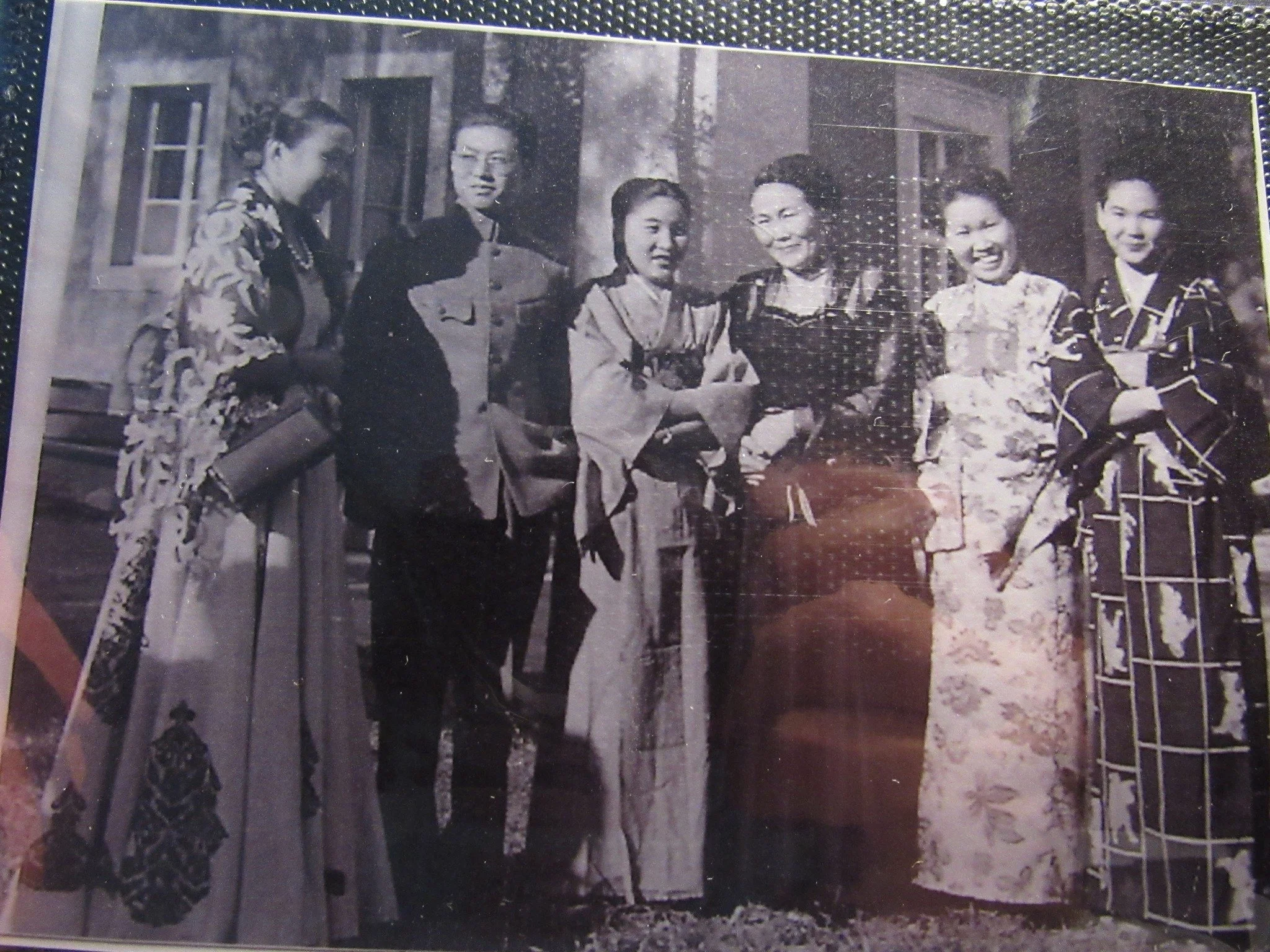
The Kalmyks are a Western Mongol people who migrated from Central Asia to the lower Volga region of Europe in the 17th century, establishing the sovereign Kalmyk Khanate before being absorbed into the Russian Empire following a mass exodus of their population back to China in 1771.
Traditionally nomadic pastoralists and practitioners of Tibetan Buddhism, our history is characterized by a strong military tradition as Russian Cossacks and a tragic WWII-era exile to Siberia that severely reduced our numbers.
Today, the global Kalmyk and Oirat population is estimated between 600,000 and 700,000—with over 183,000 residing in Russia's region of Kalmykia—as we continue to preserve our unique cultural identity and critically endangered native language.
Community news
Kalmyk History


Our partners
The organizations we were honored to work with.